My first method of conducting research this summer was to work in an actual archit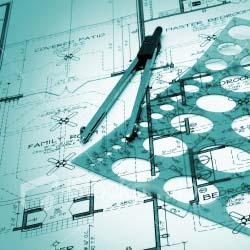 ecture firm. I started off watching the architects do drawings and meet with clients and taking notes on what they did and how they ran their office. Shortly, I was assigned to help with drawings. I was given small assignments such as windows, doors, garage doors, and bathrooms to draw for clients. I learned standard measurements for most doors and windows, which will help me create measurement for my project later on. This experience gave me sufficient knowledge on architectural drawings, which I will later need for my project.
For more research, my group members and I visited the EMO (Emergency Medical Office) in Middletown, NJ. We took a tour of the EMO to decide what our clinic should have and what it should look like. After going on a tour and taking notes we talked to doctors, nurses, and secretaries to get more information, opinions, and suggestions. After visiting we made decisions about what rooms are needed in our clinic. The rooms we decided on are: trauma center, X-Ray room, waiting room, storage for files, doctors offices, biohazard waste room, billing management, storage, and six examination rooms. Some other things we learned that we needed are: radiant resistant glass, sufficient parking, wheel chair accessibility, and ambulance access.
Lastly, we had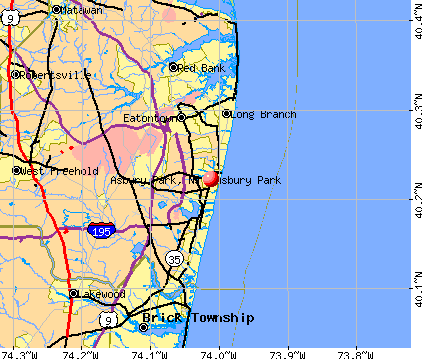 to find a place for the EMC. As a group we decided that it would be best to put the EMC in a city that did not already have a hospital and that had high crime rates. We decided that Asbury Park, NJ was the ideal location. We researched real estate in the area and found an available lot. After, we visited City Hall to get building codes. The building codes we acquired will help us to not only design our final floor plan, but also narrow our choices in the selection rejection process.
Doctors and Nurses at Middletown EMO. Personal interview. 2 Sept. 2008.
Mark Alessi. Personal interview. 6 Aug. 2008.
ecture firm. I started off watching the architects do drawings and meet with clients and taking notes on what they did and how they ran their office. Shortly, I was assigned to help with drawings. I was given small assignments such as windows, doors, garage doors, and bathrooms to draw for clients. I learned standard measurements for most doors and windows, which will help me create measurement for my project later on. This experience gave me sufficient knowledge on architectural drawings, which I will later need for my project.For more research, my group members and I visited the EMO (Emergency Medical Office) in Middletown, NJ. We took a tour of the EMO to decide what our clinic should have and what it should look like. After going on a tour and taking notes we talked to doctors, nurses, and secretaries to get more information, opinions, and suggestions. After visiting we made decisions about what rooms are needed in our clinic. The rooms we decided on are: trauma center, X-Ray room, waiting room, storage for files, doctors offices, biohazard waste room, billing management, storage, and six examination rooms. Some other things we learned that we needed are: radiant resistant glass, sufficient parking, wheel chair accessibility, and ambulance access.
Lastly, we had
to find a place for the EMC. As a group we decided that it would be best to put the EMC in a city that did not already have a hospital and that had high crime rates. We decided that Asbury Park, NJ was the ideal location. We researched real estate in the area and found an available lot. After, we visited City Hall to get building codes. The building codes we acquired will help us to not only design our final floor plan, but also narrow our choices in the selection rejection process.Doctors and Nurses at Middletown EMO. Personal interview. 2 Sept. 2008.
Mark Alessi. Personal interview. 6 Aug. 2008.

No comments:
Post a Comment